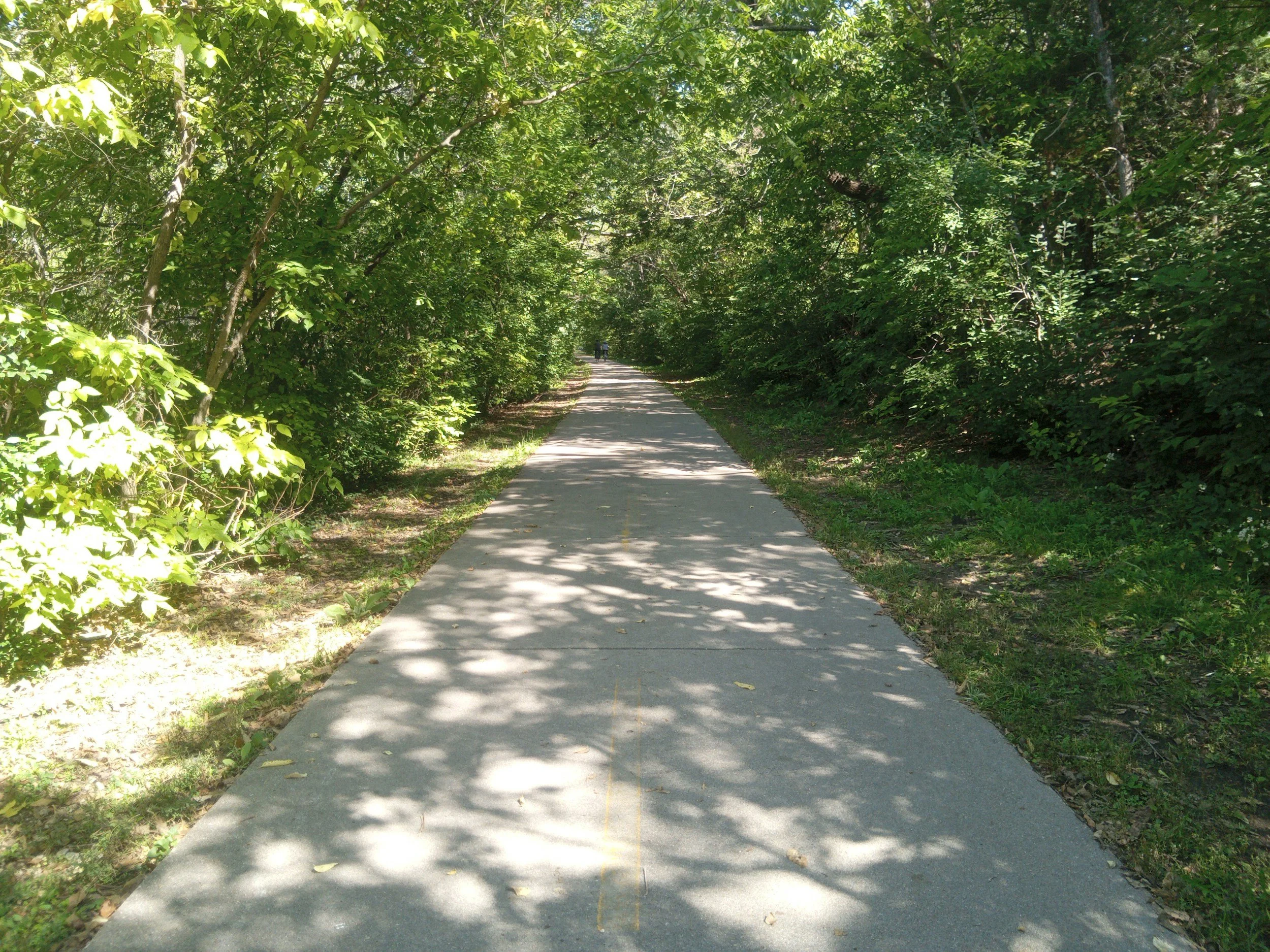
Walk Therapy
“All truly great thoughts are conceived by walking.” - Friedrich Nietzsche
Apple’s co-founder Steve Jobs was known for his walks. He took most meetings on walks around the Apple campus and he followed a ‘10 Minute Rule’, whenever he was stuck on a problem for more than 10 minutes, he would leave his desk and go for a walk.
Modern research backs this up. Studies in psychology and neuroscience show that walking is not only beneficial for physical health, it also boosts creativity. And when we walk with another person, it can deepen emotional connection.
Let’s talk about the science. Creative and cognitive thinking rely on three key brain networks.
Default mode network: Activates when you’re in a relaxed state, daydreaming, reflecting, or letting your mind wander. It helps you generate new ideas and form unexpected connections between them. In fact, the default mode network is considered a primary source of original and breakthrough insights.
Executive network: Associated with higher cognitive functions such as logical reasoning, planning, and decision-making. It requires a focused, controlled mental state and helps us organize problems and refine solutions.
Salience network: Acts as a switchboard between the other two. It determines which network should be active at a given moment and filters what information reaches our conscious awareness. This filtering process plays a crucial role in effective creative thinking.
Now back to walking. Walking naturally shifts the brain into an ideal creative state. It allows the salience network to quiet the executive network while activating the default mode network. At the same time, the brain’s filters loosen, allowing ideas to flow more freely. Neuroscientists call this a “detached state”, a mental sweet spot where insights often appear unexpectedly. It’s the Goldilocks of mental states: not too focused, not too scattered, but just right.
In addition to enhanced brain function, walking also plays a huge role in our emotional bonding. Research from the University of Hong Kong shows that walking side by side helps people feel more connected to one another. This effect is so powerful that it works on people who have never met before, even while they aren’t speaking, and it happens in less than five minutes!
All of this helps explain why Walk Therapy can be such a powerful practice. It’s a peaceful, practical modality that supports creativity, connection, and well-being - nourishing the mind, body, and spirit.